Forgiveness and reconciliation are often discussed together when people talk about healing. Many believe that forgiving someone means letting them back in, rebuilding trust, or going back to how things were. This belief can put extra pressure on someone who has already been deeply hurt.
Forgiveness is something you choose for yourself. Reconciliation is about the relationship between people. Knowing the difference helps people make better choices about family, trust, and boundaries.
Forgiveness Begins With One Person
Forgiveness is about how a person decides to respond after being hurt. It can mean letting go of resentment, not seeking revenge, or accepting that the past cannot be changed.
Forgiving does not erase what happened or excuse cruelty, neglect, manipulation, or abuse. Someone can fully understand the harm done and still decide not to let anger control their life now.
Forgiveness can happen quietly, without anyone else knowing. The person who caused the pain might never apologize, take responsibility, or even realize what they did. Still, the person who was hurt can choose to forgive for their own peace of mind.
Reconciliation Requires Mutual Effort
Reconciliation is harder because it requires rebuilding a relationship. Both people have to be involved.
An apology can start the process, but words alone usually do not rebuild trust. The person who caused harm needs to listen, take responsibility, respect boundaries, and show real change through their actions.
The person who was hurt also needs to feel safe, both emotionally and physically. Reconciliation cannot happen because of guilt, family pressure, or religious duty. If the harmful behavior continues, trying to rebuild the relationship can cause more pain.
Trust takes time and grows through repeated actions. Forgiveness can be a private decision made once, but reconciliation might take months or even years. Sometimes, it may never happen at all.
Boundaries Can Remain After Forgiveness
Some people think setting boundaries after forgiving means holding a grudge. In truth, boundaries show what someone needs to feel safe and respected.
Someone might forgive a family member but still limit phone calls, avoid certain topics, refuse to share money, or choose not to meet in person. These choices help protect the life they have created.
Boundaries can also allow for change in the future. They make it clear what needs to happen before people can get closer again. The person who caused harm can choose to respect these limits or stay distant.
Marita’s Choice in Broken Women
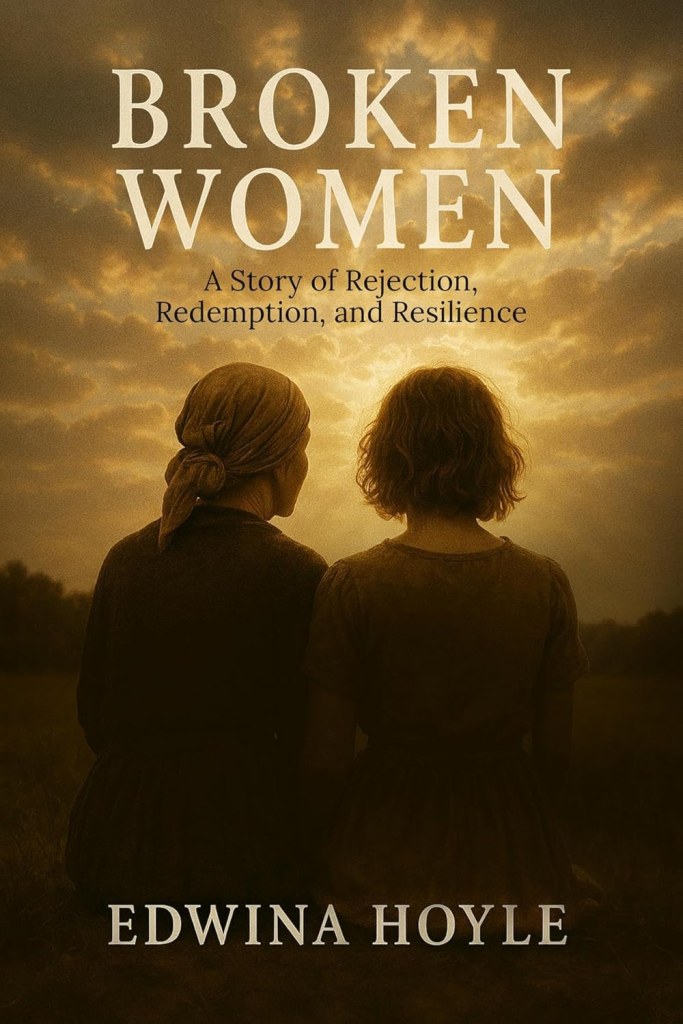
Edwina Hoyle’s novel Broken Women shows this difference through the story of Marita and her mother, Ona.
Marita grows up wanting the love that Ona cannot give. Ona’s own unresolved pain shapes how she treats her daughter, leaving Marita with painful memories that stay with her from Lithuania to America.
Near the end of the novel, Ona asks Marita to come home so she can explain her past, try to make things right, and meet her granddaughter. Marita thinks about this carefully. Part of her still longs for the motherly love she missed as a child.
Marita decides to forgive, but she will not return to Lithuania or take on the task of healing Ona. In her letter, she forgives her mother’s cruelty and makes it clear that Ona must deal with her own pain.
She also sets rules for any future contact. Ona can visit America, but Marita will decide how their relationship continues. This way, Marita leaves the door open for connection while keeping her children and herself safe.
The amber brooch that Marita sends back makes her decision even clearer. The trapped damselfly inside stands for the way Ona’s pain has held her back. By returning it, Marita shows that she will no longer stay trapped in that pain.
Healing Can Include a Choice
Forgiveness and reconciliation are not the same. Forgiveness helps someone let go of the past’s hold. Reconciliation is about deciding if a broken relationship can become safe, honest, and respectful again.
Some relationships heal with time and accountability. Others need distance. Knowing the difference helps people forgive without giving up the boundaries that keep them safe.