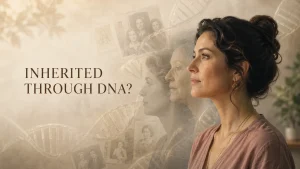
A mother may love her daughter but still find it hard to give the warmth, safety, or reassurance her child needs. If a parent’s own pain is unresolved, a daughter might take on feelings like fear, shame, or distrust without knowing their source.
This is one way generational trauma affects mother-daughter relationships. Pain can show up in daily habits, family rules, and emotional reactions. A daughter might try to understand a mother who needs compassion, even as she carries hurt from her.
How Trauma Moves Through a Family
Generational trauma means the effects of past hardships continue in a family. Even if children did not go through the original event, they grow up seeing how their parents have learned to cope with it.
A mother who was abandoned might become very controlling because she fears uncertainty. Someone who grew up with constant criticism may speak to her daughter the same way because it feels familiar. A woman who learned to hide her feelings may feel uneasy when her child cries, protests, or asks for comfort.
The National Child Traumatic Stress Network says that childhood abuse, neglect, abandonment, domestic violence, and unstable caregiving can shape how adults later think about and treat their children.
These patterns may appear through:
- Difficulty showing affection
- Harsh criticism or unrealistic expectations
- Fear of emotional closeness
- Strong reactions to small mistakes
- Silence around painful family history
- Expecting a daughter to manage her mother’s emotions
No single behavior shows for sure that generational trauma is present. The pattern is easier to see when the same fears and emotional reactions show up in several generations.
Why Mother-Daughter Relationships Can Feel So Complicated
Mothers often shape how a daughter first understands safety, womanhood, love, and self-worth. Daughters watch how their mothers deal with anger, disappointment, relationships, and their own needs. They may pick up these habits before they can judge them.
Conflict often starts when a daughter is old enough to question family rules. Her independence might feel threatening to a mother who links control with safety. The daughter may then feel guilty for making choices that protect her own emotional well-being.
Even during conflict, love often remains, along with the wish for approval. Many adult daughters still hope their mothers will someday understand the harm, recognize it, or give the affection that was missing when they were young. These early experiences may continue affecting a daughter’s adult relationships and sense of self-worth
Understanding the Mother’s Past Does Not Remove the Hurt
Sometimes, adult daughters learn about their mothers’ childhoods and start to see their behavior in a new light. Their anger may ease when they find out about past poverty, abuse, grief, discrimination, or abandonment.
This understanding can bring new challenges. The daughter might feel she no longer has the right to be angry because her mother also suffered. She may excuse repeated harm, downplay her own memories, or blame herself for not fixing the relationship.
A mother’s past helps explain her behavior, but the daughter’s experience also matters. Both stories should be part of the conversation.
Research into intergenerational trauma supports this complexity. A recent systematic review indexed by PubMed identified parenting style, parent-child attachment, and family functioning as important pathways through which trauma may affect the next generation. This means the effects can reach children through ordinary relationships, even when families never discuss the original trauma.
Ona and Marita Show How the Pattern Develops
Edwina M. Hoyle’s novel Broken Women explores this emotional inheritance through Ona and her daughter, Marita.
Ona’s life begins with rejection. Her father leaves after her mother dies in childbirth. Later, she faces poverty, exploitation, sexual violence, and deep loss. These events make her cautious, angry, and desperate for security.
After Marita is born, Ona finds it hard to feel close to her daughter. In Ona’s mind, her child is linked to an assault she cannot forget. Her fear shows up as emotional distance, criticism, and cruelty. Marita grows up longing for affection from the person who often makes her feel unwanted.
As an adult, Marita starts to see that her mother’s actions came from years of suffering. Knowing this does not give her back the childhood she lost. She still feels insecure, fears abandonment, and needs reassurance as she builds her life in America.
Marita’s biggest realization comes when grief starts to affect how she treats her own children. She notices some of Ona’s traits in herself and chooses to act differently.
How the Pattern Can Change
Breaking a family pattern usually takes more than one conversation. It starts when someone realizes that a familiar reaction is causing harm.
Marita changes the pattern by making different choices again and again. She gives her children affection, listens to their needs, and builds the emotional security she never had. She also decides not to take on the job of healing Ona.
Real families may need help from professionals to work through trauma, especially if there is abuse, depression, or ongoing conflict. Research shows that trauma-informed parenting support can reduce harmful habits and strengthen parent-child bonds. Change is more likely when adults understand their reactions and take responsibility for how they affect others.
Generational trauma can explain why mothers and daughters sometimes struggle to love each other without fear, anger, or resentment. It also shows why being aware of these patterns is important. Painful family history can last for years, but each generation can choose what to carry forward.