When immigrant women arrived in America in the early 1900s, they often felt a mix of relief, confusion, and sudden responsibility. Many made the journey across the Atlantic hoping for safety, work, or to join family. Once in the United States, they found themselves in unfamiliar cities, struggled with language barriers, worked tiring jobs, and lived in crowded spaces with little privacy.
Their experiences depended on their nationality, social class, where they lived, and their family situation. Even so, many faced the same kinds of challenges over and over.
What Was the Journey to America Like for Immigrant Women?
Women who traveled in steerage stayed in the cheapest part of the ship. Their sleeping areas were crowded, stuffy, and often shared with people they didn’t know. Seasickness, loud noises, bad smells, and a lack of privacy made the journey hard.
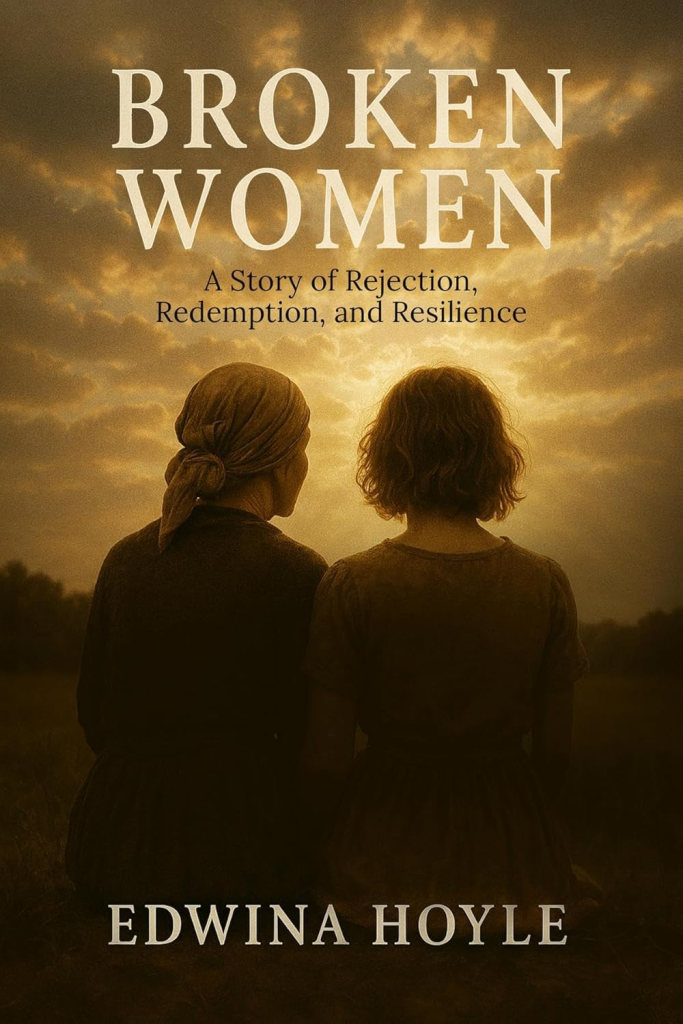
In Edwina M. Hoyle’s Broken Women, Marita travels from Lithuania in steerage. Her windowless berth offers no fresh air or quiet, so she sleeps on a chair outside. From below deck, she can see only the feet of wealthy passengers dancing above her. That physical separation captures the class divisions immigrants encountered before reaching America.
Marita dreams of wearing nice clothes, walking on streets paved with gold, and living without poverty. Hopes like these helped many women get through the journey, even though America was often different from what they expected.
What Happened to Women at Ellis Island?
Between 1892 and 1924, more than 12 million immigrants passed through Ellis Island. The National Park Service says most inspections lasted three to seven hours. Immigrants had to go through medical exams and answer questions about who they were, where they were going, their money, and their plans.
For women who didn’t speak much English, the process was often scary. Single women could be held until officials were sure they had a family member or a safe place to go.
When Marita arrives at Ellis Island, she can’t understand the questions. She worries she’ll be sent back until another passenger helps by translating. After a stressful medical exam, she leaves the building feeling lost and unsure where to go. Her brother Stanys finds her in the crowd and leads her to Pennsylvania.
What Jobs Did Immigrant Women Have in the Early 1900s?
Many immigrant women worked in garment factories, textile mills, laundries, as housekeepers, or in food production. Some did sewing and other piecework at home, often in crowded spaces. These jobs usually meant long hours, low pay, and unsafe conditions. The Smithsonian’s National Museum of American History says immigrant garment workers often faced unhealthy workplaces and poor wages.
Marita’s job shows what many women went through. She spends long hours cutting fabric in a garment factory. After work, she goes back to her boarding house to scrub floors or wash coal-stained clothes with lye soap. Her hands get raw, making it even harder to use scissors at the factory.
Earning money gave women some independence, but it didn’t always keep them safe from being taken advantage of. Some women did housework in exchange for a place to stay, while also working jobs outside the home.
Where Did Newly Arrived Immigrant Women Live?
Women who had family in America often stayed with them. Others rented beds in boarding houses or shared small apartments with people from their own country.
Ethnic communities gave new arrivals practical help. Women could hear their own language, eat familiar foods, find out about jobs, and get help with letters or paperwork. But these communities also had their own rules and power differences.
Marita lives in the attic of a Lithuanian boarding house run by Josef and Ursula. She has a place to stay, but Ursula controls much of her daily life. Marita has to slowly learn how to speak up and make her own choices.
Did Immigration Give Women More Independence?
As Edwina Hoyle discussed in his book, Immigrating to America sometimes gave women a chance for change, especially if they earned their own money or lived apart from their parents. Still, their independence was limited. Employers, landlords, husbands, and social rules often decided where women could work and how they lived.
At first, Marita is shy, lonely, and worried about being judged in her new American life. She listens to the miners’ wives at the factory but fears they think she is ignorant because she doesn’t talk much. Over time, she makes friends, writes about her experiences in a diary, and dreams of owning a home inspired by her memories of Lithuania. Her story shows that immigrant women’s lives were about much more than just arrival records or job statistics. Their days were filled with homesickness, hard work, learning new customs, and small acts of bravery. America offered new chances, but women had to build those opportunities through hard work, community, and tough personal decisions.