Families often pass down hidden pain from one generation to the next. Sometimes, words are not enough to reach these deep wounds. Generational trauma is one example.
Psychology and social science offer helpful ways to understand these patterns, but many people first notice inherited emotions through stories. Fiction can express what families often cannot say. It gives form to silence, memory, and emotional inheritance without forcing a conclusion.
This is why the idea of a generational trauma book has become increasingly relevant.
Why Generational Trauma is Difficult to Explain Directly
Generational trauma does not behave like a single event. It does not begin or end cleanly. Instead, it moves through families as habits, emotional reactions, and unspoken rules.
Explaining this process directly often feels insufficient. Words can’t always show how fear exists without danger, or how guilt can appear without a clear reason. When trauma is inherited rather than experienced firsthand, it lacks a clear origin story.
This is where fiction helps. Instead of explaining what happened, stories show what is left behind.
Why Fiction Becomes a Natural Container for Inherited Pain
Fiction does not require trauma to announce itself. It can live quietly in the mood, relationships, and inner struggles. A character’s hesitation, emotional withdrawal, or inability to trust stability can reveal more than any backstory ever could.
Silence, memory, and what cannot be said directly
Many novels about generational trauma focus less on plot and more on repeated moments. Small things happen again and again. Emotions seem too strong for the situation. Readers start to feel that something from the past is affecting the character.
This approach is similar to real life. In families affected by unresolved trauma, explanations are often missing. Instead, patterns repeat. Fiction shows this without needing to explain it.
By keeping some distance, stories let readers see inherited pain without telling them how to understand it.
Common patterns in generational trauma books
Books about generational trauma often have similar features, no matter the genre or setting.
They focus on consequences rather than causes.
They prioritize emotional atmosphere over dramatic events.
They allow discomfort to remain unresolved.
Most importantly, they treat trauma as something lived with, not something overcome on demand.
Patterns that feel inherited, not chosen
Characters in these novels often deal with emotions that seem too strong for their situation. Their reactions feel automatic, not learned. Relationships repeat the same patterns, even when those patterns are harmful.
Readers notice these patterns because they feel familiar. Trauma passed down through families rarely calls itself trauma. It appears as personality, habit, or fate until someone questions it.
This moment of recognition is where fiction is powerful. It confirms what explanations alone often miss.
Contemporary fiction and generational trauma
In recent years, contemporary fiction has increasingly turned toward quieter portrayals of inherited pain. Instead of centering dramatic revelation or resolution, these novels linger in uncertainty.
They ask different questions.
What happens when survival strategies outlive the danger that created them?
What does identity look like when it has been shaped by experiences that never belonged to you directly?
A thoughtful book about generational trauma doesn’t rush the reader toward healing or easy answers. It lets the complexity stay.
A Natural Place for Certain Novels
Some novels approach generational trauma not through spectacle, but through restraint. They resist the urge to explain everything. Instead, they trust the reader to notice emotional patterns, silences, and repetitions.
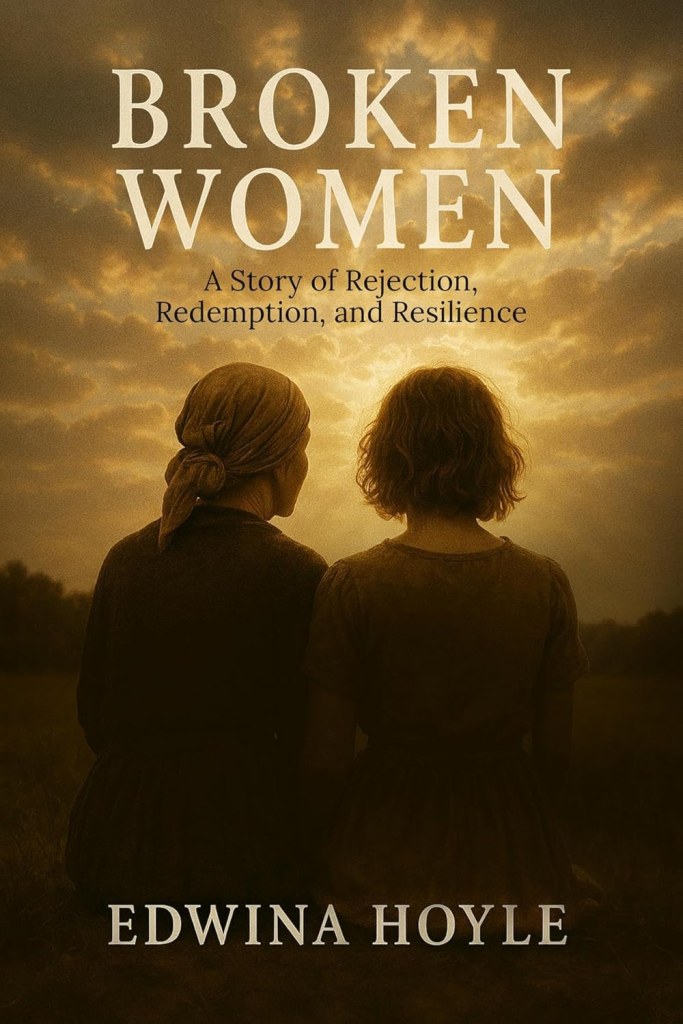
BROKEN WOMEN A Story of Rejection, Redemption, Resilience by Edwina Hoyle follows this tradition. Rather than centering trauma as an event, it examines what lingers after, particularly how unresolved emotional inheritance shapes women’s inner lives across time.
In this context, the novel functions not as instruction, but as reflection. It shows how trauma can be carried quietly, normalized, and passed forward without conscious intent.
Why Readers are Interested in Generational Trauma Books now
The growing interest in books about generational trauma reflects a broader cultural shift. Many readers are less interested in solutions and more interested in recognition.
They are not necessarily looking to be told how to heal. They want to understand why certain emotional patterns feel so deeply rooted, even when circumstances have changed.
Fiction gives this understanding without judgment or pressure. It lets readers see themselves without being told to change.
Where this Leaves the Reader
A generational trauma book does not resolve inherited pain. It does something quieter and, for many readers, more meaningful.
It names what was previously felt but unnamed.
It separates identity from inheritance.
It allows recognition to exist without judgment.
In this way, fiction becomes one of the few places where generational trauma can be held honestly, without needing explanation to carry all the weight.