Healing is often described as something active and visible. Progress. Closure. Resolution.
But for many women, healing begins somewhere quieter.
It often begins with realizing that certain emotional patterns have deeper roots. Feelings like fear, guilt, or holding back may come from experiences that go back further than your own life. Healing does not always mean fixing damage. It is about understanding what has been passed down.
The books listed here take this quieter approach to healing. Instead of rushing to fix trauma, they stay with it and explore how pain can be passed down through families, often without words or explanation. Together, these books offer thoughtful reading for women looking for ways to describe experiences that have never been clearly named.
1. Broken Women by Edwina M. Hoyle
This novel focuses on what happens after trauma. There is no big revelation or neat turning point. Instead, it follows women living with emotional patterns shaped by the past. Silence, restraint, and a fractured sense of self are shown not as personal failings, but as responses learned and passed down over time.
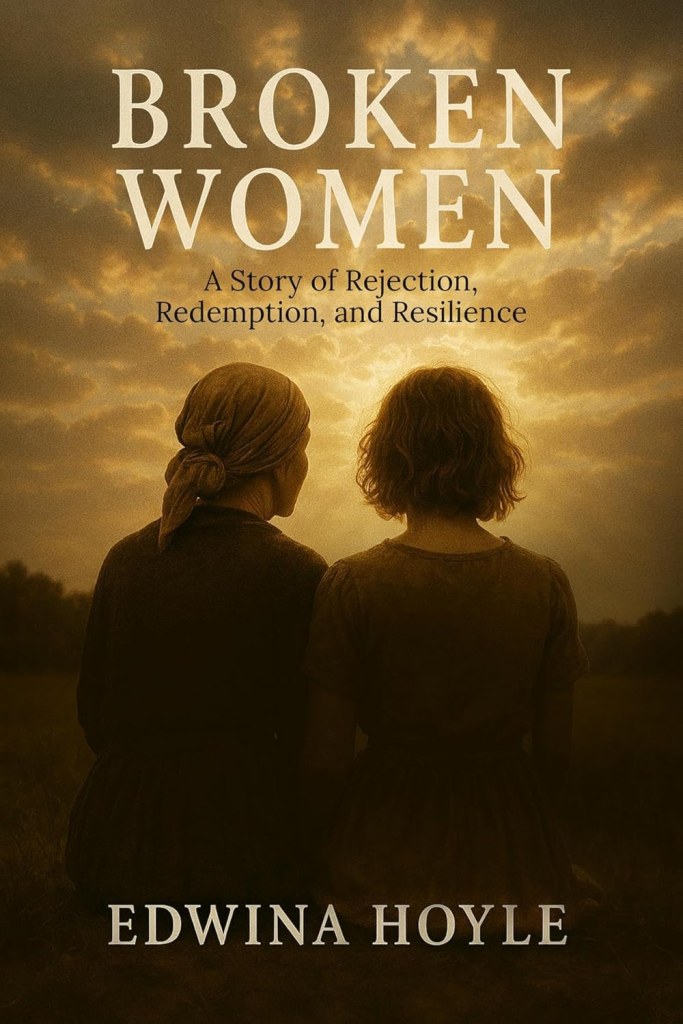
What sets this book apart is that it does not try to explain trauma away. Pain is not tied to one clear cause or solved just by understanding it. Instead, it shows up in everyday habits, relationships, and inner struggles that feel normal because they have been passed down for generations. The women in the story are not dealing with new wounds, but with emotional patterns quietly inherited over time.
As a generational trauma book, it reflects how trauma can be carried without being named. That quiet approach earns it a spot among healing generational trauma books. Healing here is not presented as recovery or correction. It begins with recognition, with seeing that what feels personal may have been inherited, and that understanding itself can loosen the hold of long-standing patterns.
2. It Didn’t Start with You by Mark Wolynn
This book looks at how unresolved trauma can pass through families, even if no one talks about the original events. Wolynn shows how emotional pain shapes behavior, beliefs, and self-image across generations, often showing up as anxiety, fear, or a constant sense of unease.
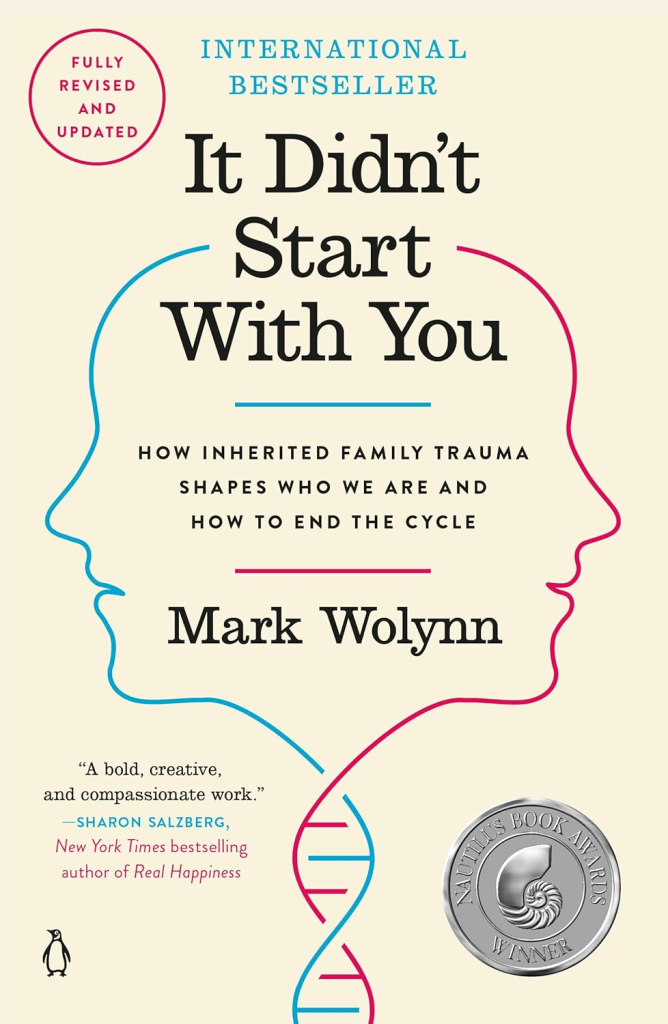
This book is important because it validates women who struggle with emotional reactions that seem too strong or hard to explain. Connecting these feelings to family history, it challenges the idea that pain always has a recent or clear cause. Though it explains more than it tells a story, it helps readers see how inherited trauma can quietly shape their lives.
Instead of giving easy solutions, the book highlights awareness as the first step. For readers who wonder why certain emotional patterns keep repeating, even after trying to change, this approach can feel steadying rather than overwhelming.
3. What My Bones Know by Stephanie Foo
Part memoir, part investigation, this book explores the long-term effects of complex trauma and how it embeds itself in the body and mind. Foo writes candidly about growing up with emotional instability and the delayed recognition of its impact.
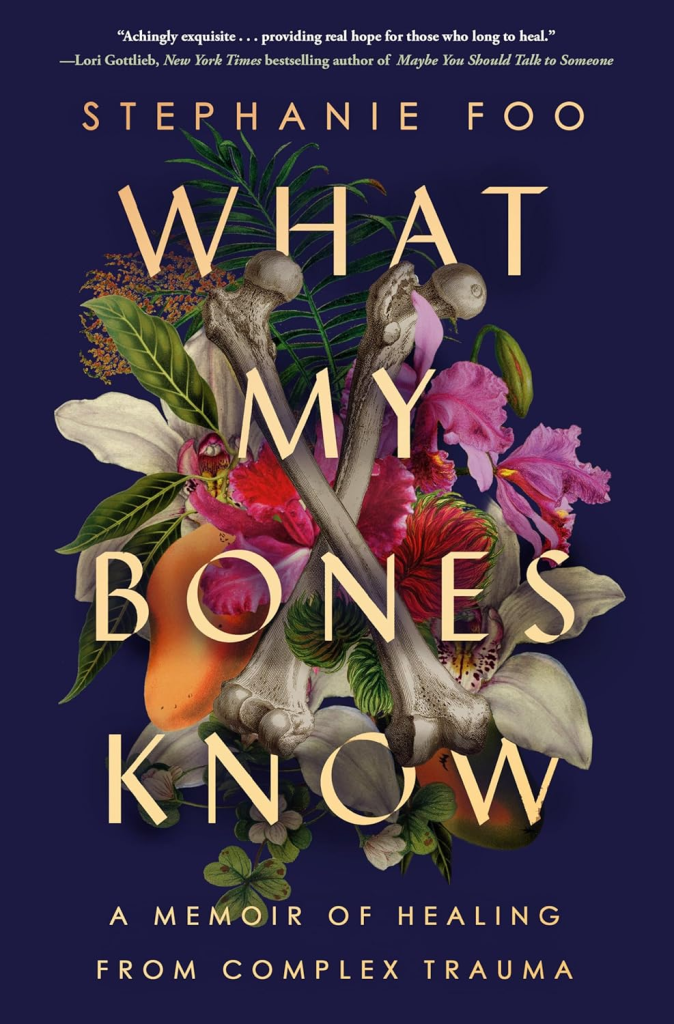
What makes this book particularly resonant is its attention to delayed awareness. Foo describes how the effects of trauma often become clearer long after the environment that caused them has changed. Emotional reactions, physical responses, and relational patterns linger, shaped by earlier experiences that were once minimized or misunderstood. For women dealing with inherited or early trauma, this book shows that healing often means learning to live with what happened, not just finding closure. It reminds readers that ongoing effects do not mean failure, and that simply recognizing the depth of trauma is an important step.
4. Mother Hunger by Kelly McDaniel
This book looks at the emotional effects of unmet childhood needs, especially when there was not enough steady care or protection. McDaniel explores how these early gaps can keep affecting adult relationships, self-esteem, and how people manage their emotions.
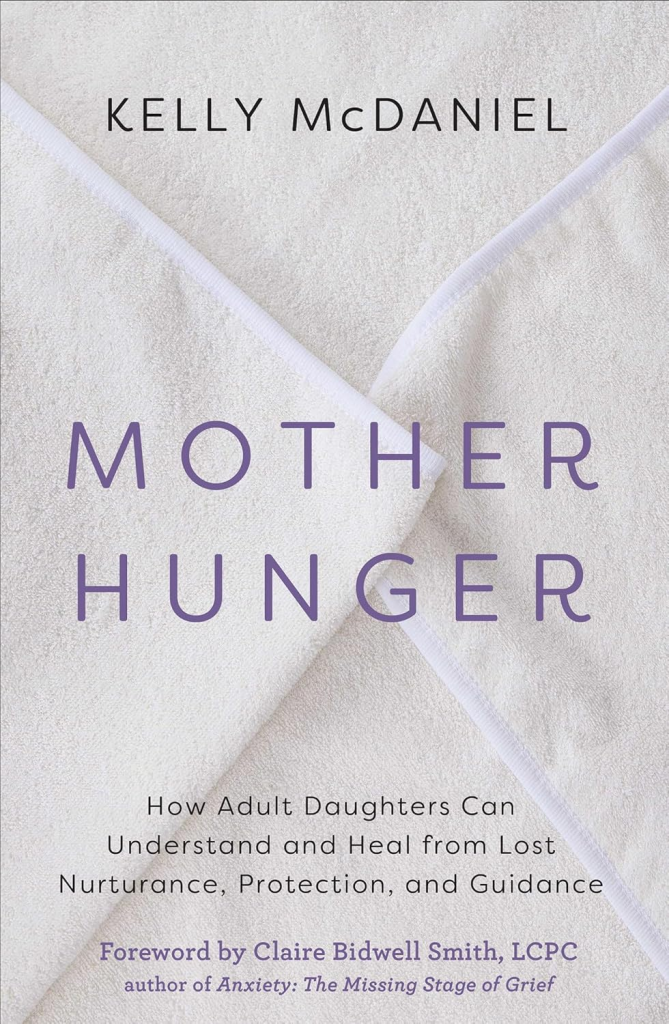
Instead of blaming individual mothers or daughters, the book places these experiences in the context of generational patterns. Emotional absence is often passed down by caregivers who also lacked support. By showing these issues as part of a larger system, not just personal failings, the book helps reduce shame and bring more understanding. For women who have trouble with intimacy, boundaries, or ongoing feelings of not being enough, this book gives words to experiences that are hard to describe. It helps readers see how relationship wounds can be both very personal and shaped by history.
5. The Myth of Normal by Gabor Maté
Maté’s book questions the idea that emotional distress happens on its own, separate from family history, culture, or social pressures. He says that what is often called dysfunction is often a natural response to long-term stress and inherited trauma.
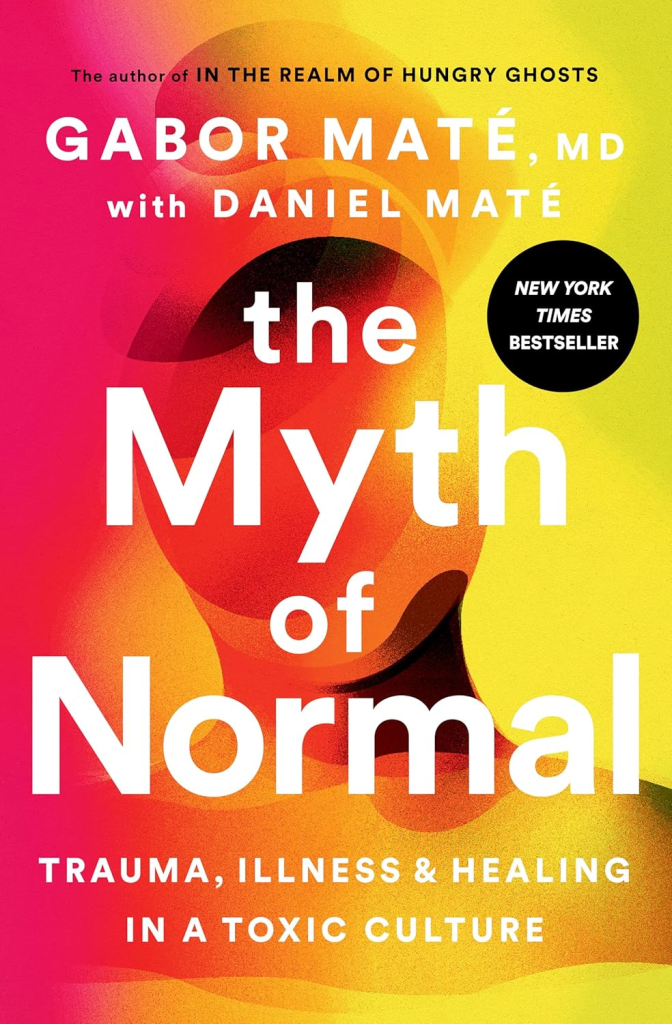
By linking personal suffering to larger generational and social forces, the book shows that healing is about understanding context, not just fixing problems. This view is especially helpful for women who see their distress as a personal weakness. Instead of asking what is wrong, the book asks what someone has gone through.
The book’s value is in widening the conversation beyond just personal responsibility. Here, healing starts with understanding the conditions that shaped emotional responses, many of which go back more than one lifetime.
A closing reflection
These books do not give quick solutions or promise change just through effort. Instead, they have a quieter purpose.
They help put words to things that were never explained.
They help separate who you are from what you have inherited.
They show women that not everything they carry started with them.
Often, healing begins with this recognition. Remember, your journey is yours alone. Progress may look different for each person, but each step forward is valid and significant. Let these words be a gentle reminder that you are seen and supported as you continue on healing through love.